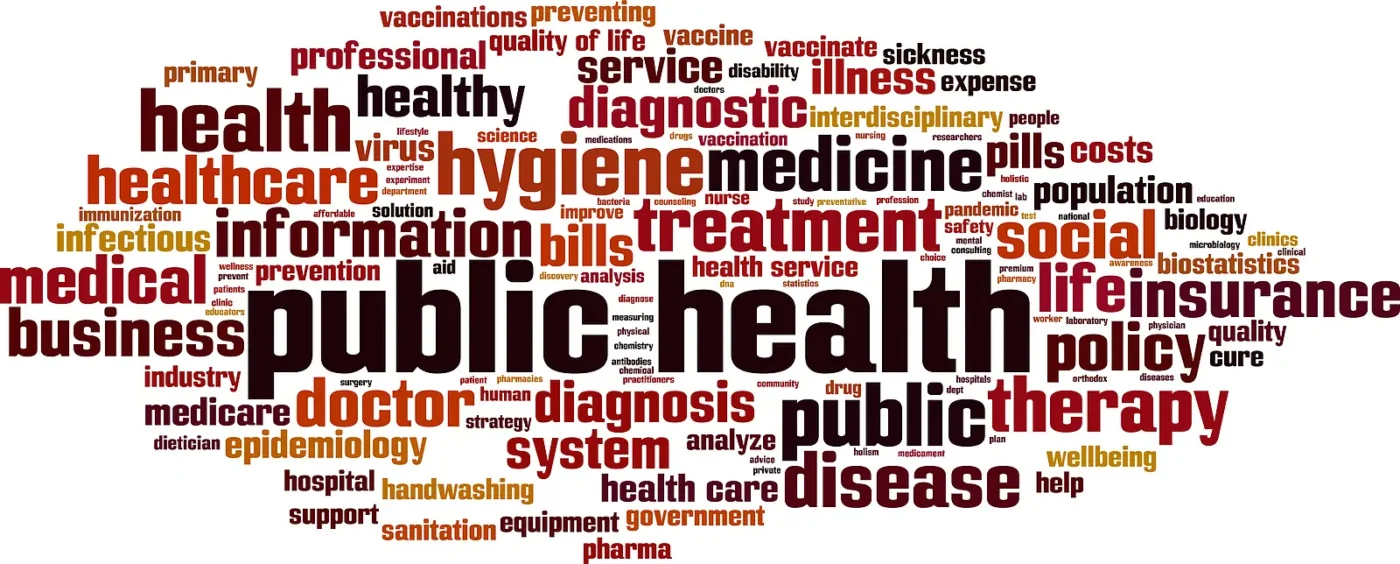
Public health is the science and practice of protecting and improving the health of people and their communities. This effort ensures we have access to clean water, safe food, and vaccines that prevent the spread of dangerous diseases. Unlike individual health care that focuses on treating illness, the purpose of public health is to work behind the scenes to prevent problems before they arise, keeping entire populations healthy.
As we gear up to celebrate National Public Health Week (April 7-13, 2025), now is the perfect time to reflect on the amazing role public health plays in our daily lives. With recent health crises, including a measles outbreak in Washington State, the importance of a strong public health system has never been clearer. However, as government funding for public health programs is reduced and routine health updates become less frequent, it’s up to us as citizens and communities to take proactive steps to stay informed and support these critical efforts.
The Purpose of Public Health: What Public Health Has Achieved
Did you know that Americans live an average of 35 years longer today than they did when the American Public Health Association (APHA) was founded over 150 years ago!? That’s largely due to public health advancements like:
- Vaccination programs that have eradicated diseases like smallpox and significantly reduced polio and measles cases.
- Food safety regulations that prevent outbreaks of foodborne illnesses.
- Clean air and water laws that reduce pollution and improve public health.
- Tobacco control initiatives that have dramatically reduced smoking rates and lung disease.
- Public health emergency preparedness that helps communities respond to crises like COVID-19 and natural disasters.
The Measles Outbreak: Why it Matters Now
Public health resources remain essential and this has been highlighted with the recent measles outbreak. Measles is a highly contagious virus that spreads through the air when an infected person coughs or sneezes. It can lead to serious complications, especially in young children and people with weakened immune systems.
As of March 2025, there have been over 164 measles cases across more than nine U.S. states, including a confirmed case in King County, Washington. Health officials believe the case resulted from international travel, which is a key reason why maintaining high vaccination rates is crucial.
What You Can Do to Protect Yourself from Measles
- Check Your Immunity: Unsure about your measles immunity? Ask your primary care provider to order a blood test to check your antibody levels.
- Get Vaccinated If Needed: Adults who received only one dose of the measles vaccine before the late 1980s may need a booster shot to be fully protected in the present.
- Be Aware of Symptoms: Measles often starts with fever, cough, runny nose, and pink eye before progressing to a red, blotchy rash. If you suspect exposure, call your doctor before visiting a clinic to avoid exposing others.
- Stay Informed: As routine government updates on emerging illnesses are being scaled back, it’s important to follow trusted health sources such as:
How You Can Support Public Health
Public health doesn’t just happen at the government level – it’s something we can all contribute to every day! Here’s ways you can help yourself and your community:
1. Individual Actions for Better Public Health
- Support Mental Health in Your Community: A few ways you can support the mental health of your community include volunteering for local mental health organizations, attending community events like mental health walks and fundraisers, and sharing important resources such as The Substance Abuse and Mental Health Services Administration (SAMHSA) helpline: 1-800-662-HELP, and the Suicide Prevention Lifetime: 988.
- Strengthen Your Community Connections: A strong social network improves mental health and physical health! Consider checking in on elderly neighbors, offering help with errands, or sharing homegrown produce.
- Reduce Disease Spread: You can do your part by washing your hands frequently and staying home when sick to prevent spreading illnesses to others, encouraging friends and family to stay up to date on their vaccines, and advocating for workplace policies that support paid sick leave.
2. Community and Neighborhood Initiatives
- Increase Access to Healthy Food: Now more than ever it is vital that we know where our food is coming from. It’s incredibly helpful to advocate for farmers markets or mobile markets in underserved areas, support community gardens and food co-ops that make fresh produce more available, and/or partner with local grocery stores to donate surplus food to shelters.
- Create Safe, Active Spaces: Support efforts to improve parks and playgrounds, making them accessible to all, organize walking groups or neighborhood clean-up events to encourage active lifestyles, and encourage city planners to invest in bike lanes and pedestrian-friendly streets.
3. City, State and National-Level Actions
- Emergency Preparedness: Cities and states can ensure that emergency kits and plans are readily available in schools and workplaces, and you as a citizen can advocate for stronger public health emergency systems to help communities respond to natural disasters and disease outbreaks.
- Support Access to Healthcare Services: You can encourage your local government to support telemedicine initiatives, making health care accessible in rural areas, and also push for funding for community health clinics offering family planning, STI testing, and reproductive health care.
- Strengthen Public Health Systems: Consider advocating for government funding for critical health programs, ensuring they remain fully staffed and equipped, as well as supporting policies that make healthcare and vaccines more accessible to all Americans.
- Invest in the Public Health Workforce: Public health professionals need better training and resources to tackle today’s health challenges. You can encourage lawmakers to allocate funding for public health education programs, and/or support scholarships for future public health workers to ensure a strong workforce.
Public Health: A Shared Responsibility
Public health affects everything, from the air we breathe to the hospitals we rely on in emergencies. It’s a collective responsibility that requires the participation of individuals, communities, businesses, and government agencies.
As we celebrate National Public Health Week, let’s remember the power of these systems and take action to strengthen and protect them! Small changes, such as staying informed, supporting community programs, and advocating for strong public health funding can have a lasting impact on our health and the well-being of future generations.
Public health starts with YOU! Let’s work together to keep our communities safe and thriving.
(Inspired by the wonderful insights from the National Public Health Week website).