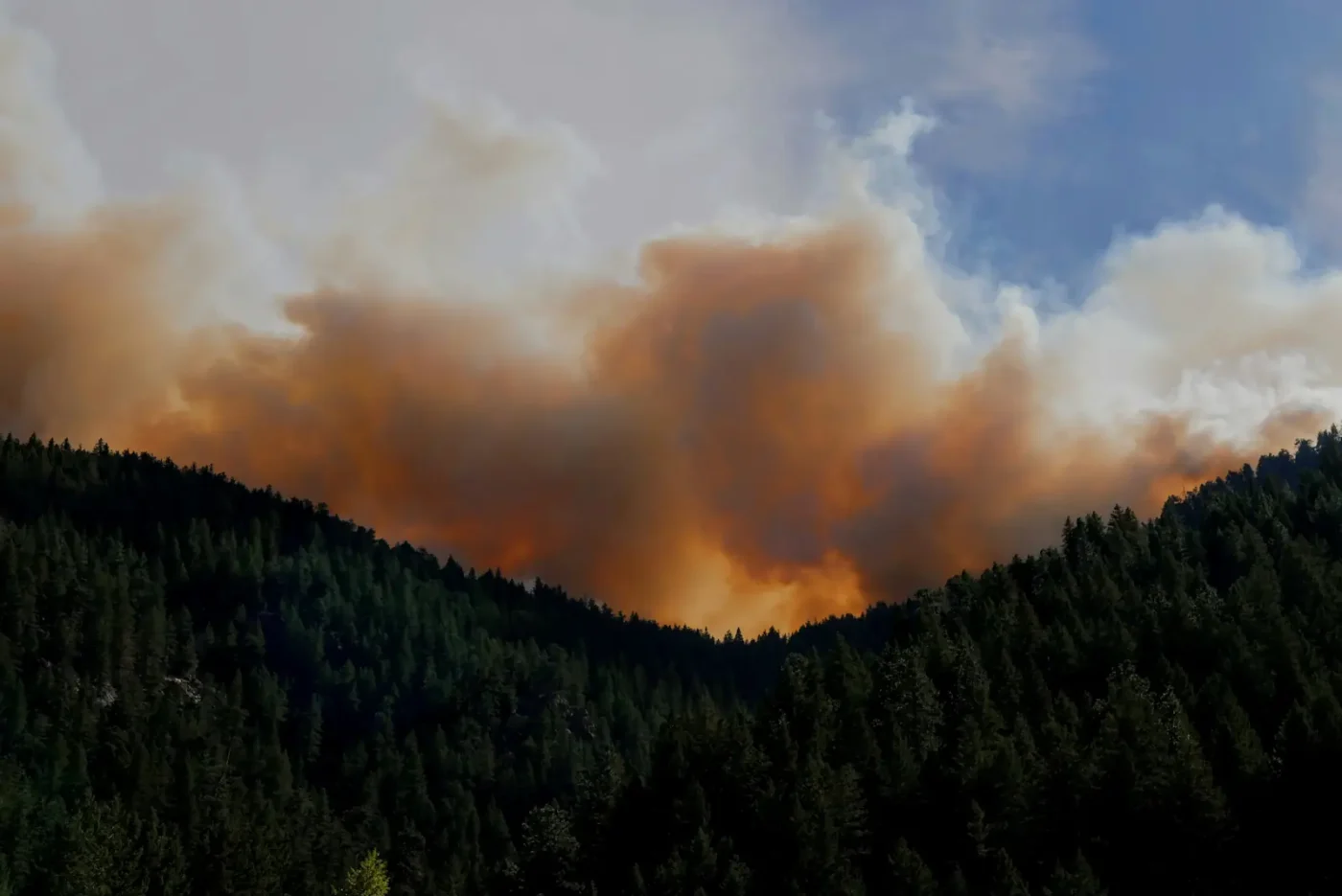
In the Pacific Northwest, the summer brings some much-needed sunshine, but it also often correlates to wildfire smoke season in Western Washington! Whether wildfires are nearby or hundreds of miles away, the smoke generated can drift far and wide, impacting the air quality in even the most urban or coastal areas. This means that your health could be impacted, and oftentimes without you realizing it!
How to Prepare for and Stay Safe During Wildfire Smoke Season in Western Washington
At Whole Health Naturopathy in Olympia, Washington, we’re incredibly aware of how environmental factors like air quality impact the body, especially the lungs, skin, and immune system. Let’s dive in today and learn more about what wildfire smoke does to our health, who’s the most vulnerable, and the important, proactive steps you can take to keep your air (and your body) as clean as possible.
What’s in Wildfire Smoke – and Why It’s Harmful
Wildfire smoke is more than an occasional nuisance – it’s a complex mix of gases and fine particles released when organic matter like wood, grasses, and brush burn. The biggest risk to us comes from PM2.5 – ultra fine particles small enough to bypass your body’s natural filters and lodge deep within your lungs.
Short-term exposure to wildfire smoke can cause:
- Burning eyes
- Runny nose
- Sore throat or coughing
- Headaches
- Worsened asthma or other respiratory conditions
Long-term or repeated exposure, according to a study conducted by McGill University, is associated with serious health risks, such as a 10% increased risk of brain tumors and a 4.9% increased risk of lung cancer for those living within 50 km. of wildfires (translated to roughly 31.5 mi.) over a decade.
Even when indoors, these harmful particles can enter your home through open windows and doors or through your HVAC system if it pulls in outside air.
Those At a Higher Risk
While wildfire smoke can impact anyone, certain groups are more vulnerable than others:
- People with asthma, COPD, or other chronic lung conditions
- Children, whose lungs are still developing
- Older adults
- Pregnant individuals
- Immunocompromised individuals
If you find yourself in any of these categories, please reach out to your doctor before or during smoke season as they likely have some tools that can help support your respiratory and immune system, including herbal formulas, lung-supportive nutrients, and personalized lifestyle recommendations. In our case, it’s best to reach out to us early to get a game plan going, as appointment spots tend to fill up quickly during the summer!
How to Protect Yourself at Home
The good news is that you can take several proactive steps to reduce your overall wildfire smoke exposure and keep your home air safer during a wildfire smoke event! These tips recommended by the Washington Department of Health and EPA should be considered:
1. Stay inside when air quality is poor.
Limit your outdoor activity, especially strenuous exercise, when the AQI (Air Quality Index) shows unhealthy levels. Apps and websites like AirNow.gov and Washington Smoke Blog are great tools for real-time updates.
2. Close windows and doors.
This might feel stifling in the summer, but this is one of the most effective ways to limit indoor smoke. If it’s too hot, head to an indoor public space with cleaner air, such as a library or community center!
3. Filter the air.
Run a HEPA portable air cleaner, your HVAC system on recirculate, or make your own DIY box fan filter – a simple, affordable solution that works surprisingly well! Washington’s Department of Ecology has a fabulous DIY video guide: Make a Clean Air Fan.
4. Avoid creating indoor pollution.
When it’s smoky outside, skip the candles, incense, essential oil diffusers, and even broiling or frying food. These actions can all worsen indoor air quality. You should also avoid vacuuming unless your vacuum has a HEPA filter, and don’t use wood fireplaces or gas stoves if possible.
5. Set up a “clean air room”.
You can choose a small room (like a bedroom) and seal it off from the rest of the house, running a HEPA air purifier or DIY filter. This creates a safe retreat during periods of heavy smoke.
What If You Need to Be Outside?
If you must go outdoors, whether it’s to work, run errands, or help others, follow these important precautions:
- Wear an N95 mask (not a cloth or flimsy surgical mask), which can filter fine particles like PM2.5.
- Limit your time and avoid heavy physical activity.
- Keep hydrated and rest afterward.
We especially encourage those with asthma or chronic respiratory issues to follow their doctor’s advice and to use an action plan, if one has been created. If you feel short of breath, wheezy, or experience chest pain, call your provider right away.
What to Do If You’re Feeling the Effects
If you have been exposed to wildfire smoke, you may notice symptoms even if you’re otherwise healthy. Some signs include:
- Unusual fatigue or dizziness
- Worsening allergies or asthma
- Persistent headaches or brain fog
- New or worsening sinus or lung issues
At Whole Health Naturopathy, we can offer a personalized treatment plan to help get you through these symptoms, and protect your body tissues from damage. Diet, herbal formulas (we have a great lung healing tincture!), antioxidant rich foods and supplements can help. Some important ones include:
- NAC: NAC (N-acetylcysteine) may help protect the lungs from fire smoke exposure by reducing inflammation, thinning mucus, and replenishing glutathione, a key antioxidant that defends lung tissue against oxidative damage.
- Mullein leaf: You can use the leaves and flowers of the Mullein plant in a tea or tincture form to support respiratory health. It acts as expectorant, helping clear mucous, as an anti-inflammatory, and has flavonoids that act as antioxidants to help scavenge the free radicals that cause inflammation and damage to the lung tissues.
- Antioxidant rich foods: Yes, you can take these as supplements, but why not enrich your diet this summer with these foods? Garlic, turmeric, grapefruit, berries, spinach, nuts and seeds, green tea, and cruciferous vegetables!
We know wildfire season can feel overwhelming – but you don’t have to navigate it alone. By taking a few simple precautions, you can dramatically reduce your exposure and protect your long-term health. As a clinic rooted in holistic, preventative care, we’re here to help guide and support you every step of the way.
If you have concerns about how smoke is impacting your body, call us to book an appointment. We’re currently offering same-day and next-day visits – just give our Patient Coordinator Susan a ring at 360-943-9519, extension 6!