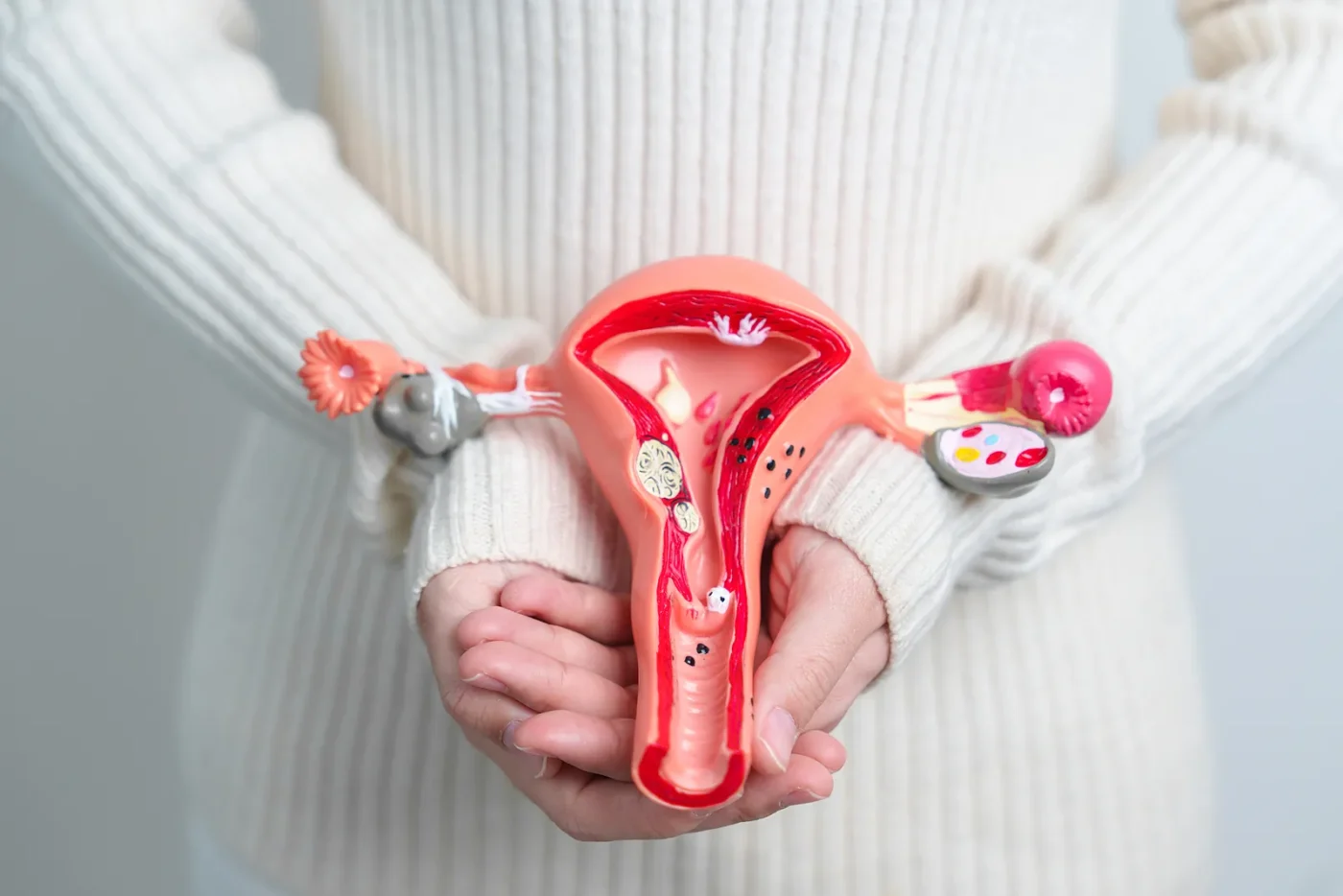
Polycystic Ovary Syndrome (PCOS) is more common than many realize – yet it’s often underdiagnosed and misunderstood. PCOS affects an estimated 1 in 10 women of reproductive age and can also impact people of all genders with ovaries. Despite its name, not everyone with PCOS has ovarian cysts, and the condition is best understood as a complex metabolic and hormonal disorder, and its effects reach far beyond the reproductive system.
Shockingly, individuals with PCOS have 7 times the risk of heart disease and heart attacks, and about 40% will also go on to develop Type 2 Diabetes. That’s why early identification and a thoughtful, whole-person approach to care are so important.
As experts in women’s health and hormone care here at Whole Health Naturopathy, we offer naturopathic treatment for PCOS in Olympia, Washington and surrounding areas.
Naturopathic Treatment for PCOS in Olympia, Washington
First Signs & Symptoms to Watch For
While symptoms can vary from person to person, common early signs of PCOS include:
- Cystic or hormonal acne
- Irregular or absent menstrual cycles
- Failure to ovulate or menstruate regularly
- High testosterone levels (often detected on lab work)
- Elevated blood sugar
- Excess facial or body hair (hirsutism)
- Weight gain or difficulty losing weight
These symptoms arise from hormonal imbalances, for example, hirsutism (excess facial or body hair) occurs when androgen levels are elevated, while irregular periods are tied to disrupted ovulation. Some people also notice hair thinning on the scalp, skin tags, or darkened patches of skin (called acanthosis nigricans) that can indicate insulin resistance.
Why It’s Important to Treat PCOS
PCOS doesn’t just affect fertility – it can have long-term impacts on cardiovascular health, metabolic function, and mental well-being. Because it’s often linked to insulin resistance, untreated PCOS raises the risk for serious complications like Type 2 diabetes, heart disease, and heart attacks. It can also increase the likelihood of sleep apnea, endometrial cancer, and mood disorders such as anxiety and depression.
For those who wish to become pregnant, PCOS can make ovulation more unpredictable, but with timely, targeted treatment, many people go on to have healthy pregnancies. Addressing hormonal imbalances and metabolic health now can help prevent complications later and support overall quality of life.
Testing & Evaluation
A thorough workup helps identify the root causes and best treatment path. This often includes looking at:
- DHEA sulfate and total/free testosterone levels
- FSH (follicle-stimulating hormone) and LH (luteinizing hormone) balance
- SHBG (sex hormone-binding globulin)
- Fasting glucose, insulin, and A1C for blood sugar health
Natural Treatment Approaches
At Whole Health Naturopathy, we take a comprehensive approach to women’s health and hormones – and we make sure you feel seen, heard, and supported every step of the way. Some of the strategies we may use include:
Balancing Hormones:
- Paeonia root extract – traditionally used to support hormonal balance and menstrual health.
- Fenugreek seed – may help regulate blood sugar and reduce androgen levels.
- Saw Palmetto berry extract – can support lowering of excess testosterone.
- Fennel seed – may assist in regulating menstrual cycles and reducing menstrual discomfort.
- Holy Basil – may help with stress modulation and insulin sensitivity.
- Nettle leaf extract – supports reducing inflammation and balancing excess androgens.
- Licorice root – supports adrenal health and can assist in balancing androgens.
It’s important to remember that herbal and nutritional supplements should be tailored to the individual and monitored by a qualified provider, especially if you’re taking prescription medications.
Supporting Blood Sugar & Insulin Sensitivity:
- Berberine – excellent for blood sugar regulation
- Chromium – helps support balanced blood sugar
- Whole-food, high-fiber diet – fiber binds to excess hormones and helps remove them from the body through the digestive tract
Lifestyle Changes That Make a Difference:
- Move in ways you enjoy. Whether it’s walking, dancing, yoga, or hiking, aim for 150 minutes of moderate aerobic activity weekly (or 75 minutes vigorous), plus both dynamic resistance (like weight lifting) and isometric exercises (like planks or wall sits).
- Eat a balanced whole foods diet. Prioritize vegetables, lean proteins, healthy fats, and high-fiber foods.
- Manage stress and get quality sleep. Chronic stress can worsen insulin resistance and hormonal imbalance.
PCOS is more than a reproductive concern, it’s a whole-body health condition that deserves early, comprehensive care. With the right testing, targeted treatment, and sustainable lifestyle changes, it’s possible to restore balance, reduce risk, and feel better in your body!
Our team has extensive experience in supporting women’s health and hormones, and we know how important it is to feel truly seen and heard with conditions like PCOS. If you’re experiencing symptoms or have concerns about PCOS, our naturopathic team is here to help you find answers, create a plan, and feel supported.