Is the New Year time for a new you? Often, people make New Year’s resolutions that strive for perfection but do not allow themselves grace to make slow transitions. Achievement of lasting change is not an all or nothing perspective.
Many people will make the resolution to eat better this year. Cleaning up the diet after the holiday season is a good way to start the new year and an important long-term health commitment. However, dietary change, just like any meaningful change, is a process and not an overnight accomplishment.
One of the most important things to do for health this year is to eat more vegetables.
Yes, your mother was right: it is important to eat vegetables. The change you want to see starts on your plate. Eating more vegetables decreases inflammation, lowers disease risk and maintains a healthy weight. And to be clear, this does not mean increasing consumption of high starch vegetables like corn and potatoes.
The average American diet falls short of the recommended amount of daily vegetable consumption. A study conducted by the Center for Disease Control found that just 1 in10 adults ate a healthful amount of vegetables. The serving size recommendation for vegetable intake is generally 2-3 cups daily but this amount can vary by age and gender as well.
Multiple studies have compared the relationship of vegetable intake and obesity. Overall it has been demonstrated that people with lower vegetable intake had a higher body mass index (BMI). BMI is a measure of body fat based on height and weight, and the calculation is correlated to risk for obesity-related diseases like high blood pressure, diabetes, cancer and heart disease.
Antioxidants and flavonoids, plant pigments that give vegetables color, are present in high quantities in numerous vegetables. They have a long list of health benefits and act to protect against cell damage and decrease inflammation in the body.
Too many fat cells in the body produce an inflammatory state in the body. Elevated levels of inflammation are associated with the development of chronic diseases such as arthritis, heart disease, diabetes and cancer.
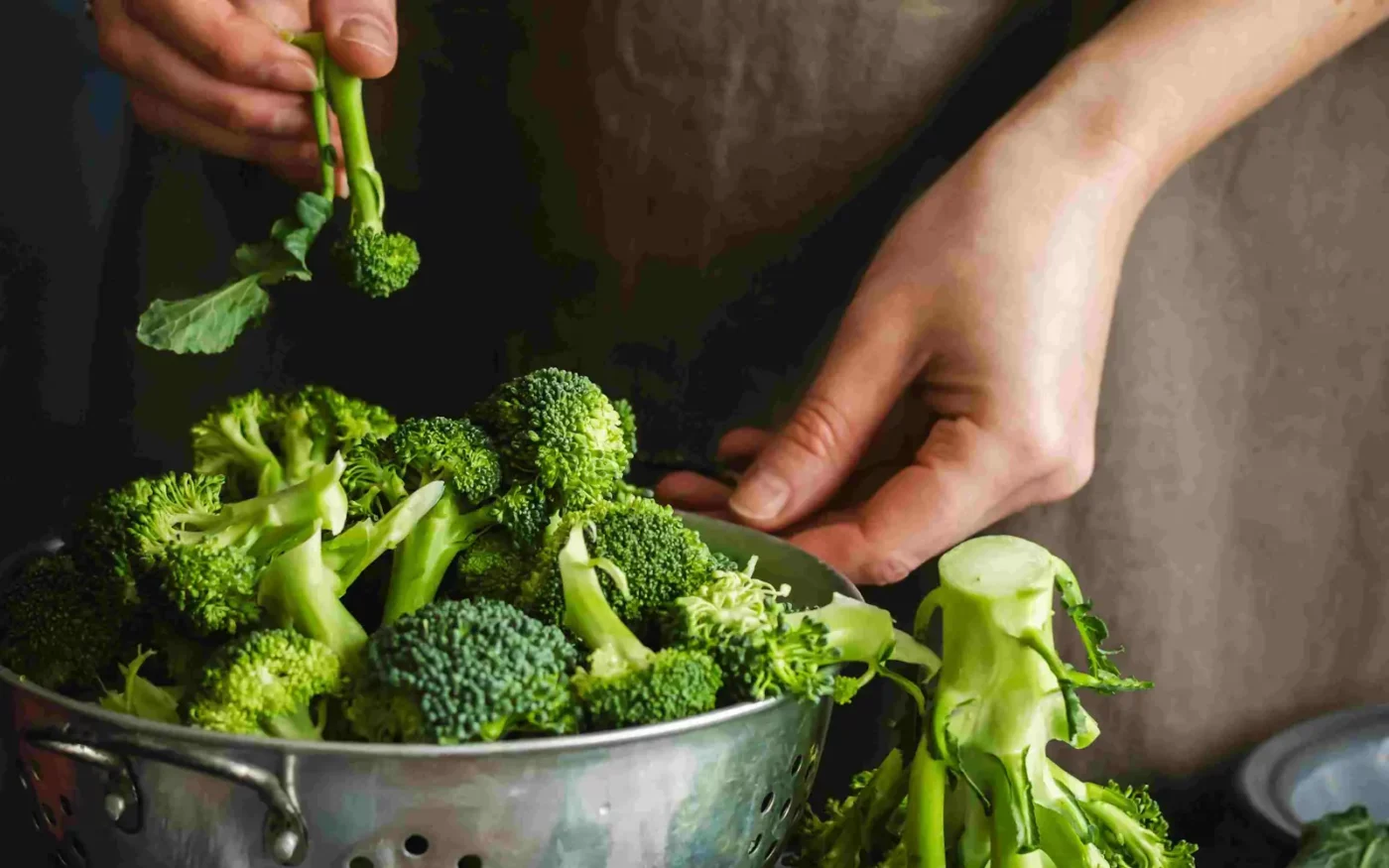
Cruciferous vegetables are the power family of vegetables. They provide sources of Vitamin C, Vitamin E, Vitamin K, B vitamins, beta-carotene, and sulfur-containing plant chemicals called sulforaphanes and indole3-carbinol. This array of nutrients and plant compounds have demonstrated the ability to help the body prevent DNA damage, improve elimination of toxins, and have anti-inflammatory and antiviral effects. Sources of cruciferous vegetables include: arugula, broccoli, cabbage, cauliflower, kale, brussels sprouts, collard greens, radishes, rutabaga and turnips.
Vegetables are naturally low-calorie foods. They contain water and high amounts of fiber. Increased vegetable consumption contributes to greater satiety, the sensation of feeling full, and helps prevent overeating. In addition, vegetable fiber sources are linked to improving cholesterol and digestion. Insoluble fiber, found in leafy greens and beans, provides “roughage” which helps to bulk up stools, promotes bowel regularity and reduces the risk for colon cancer. Soluble fiber found in sweet potatoes and asparagus is the type of fiber that forms a gel-like substance in the digestive tract. Increasing soluble fiber in the digestive tract helps to improve cholesterol parameters and lower risk for heart disease.
While I’m suggesting increased vegetable consumption, eating a solely plant-based diet may not be right for everyone. However, making vegetables the heart of the plate is best for overall health. Dietary change is a powerful tool to improve health and prevent disease. Talk to your naturopathic doctor about how to work toward lasting change and optimize your health.