With March being National Endometriosis Awareness Month, there’s no better time to shed light on this condition that affects about 1 in 10 females of reproductive age worldwide! Despite it being so common, it remains one of the most under diagnosed and misunderstood conditions in women’s health.
Many people suffer for years, sometimes even a decade or more, before receiving an accurate diagnosis, often being told that their pain is “just bad periods” or even “all in their head”. If you’ve been struggling with severe menstrual and/or pelvic pain, heavy and/or irregular menstrual bleeding, Pain with intercourse, or infertility, we hope you know that you are not alone – and your pain is real.
If you’re seeking naturopathic treatment for endometriosis in Olympia, Washington, you’re in the right place. In this blog post, we’ll break down what endometriosis is and its symptoms, why reaching a diagnosis is so challenging, and both conventional and naturopathic treatment options!
Naturopathic Treatment for Endometriosis in Olympia, Washington
What is Endometriosis?
Endometriosis is a chronic inflammatory condition where endometrial tissue (the glandular, mucous lining that lines the uterus, and grows and sheds with the menstrual cycle) grows outside of the uterus. This tissue and resultant inflammation can attach to the ovaries, fallopian tubes, bladder, intestines, or even beyond the abdominal cavity. The tissue responds to estrogen, just like the uterine lining, thickening and shedding during the menstrual cycle – but with no way to exit the body, therefore leading to inflammation, scarring, and severe pain. Endometriosis is known to be an estrogen-dependent, benign, inflammatory disease that affects females during their premenarcheal, reproductive, and can even persist in the postmenopausal years.
Common Endometriosis Symptoms
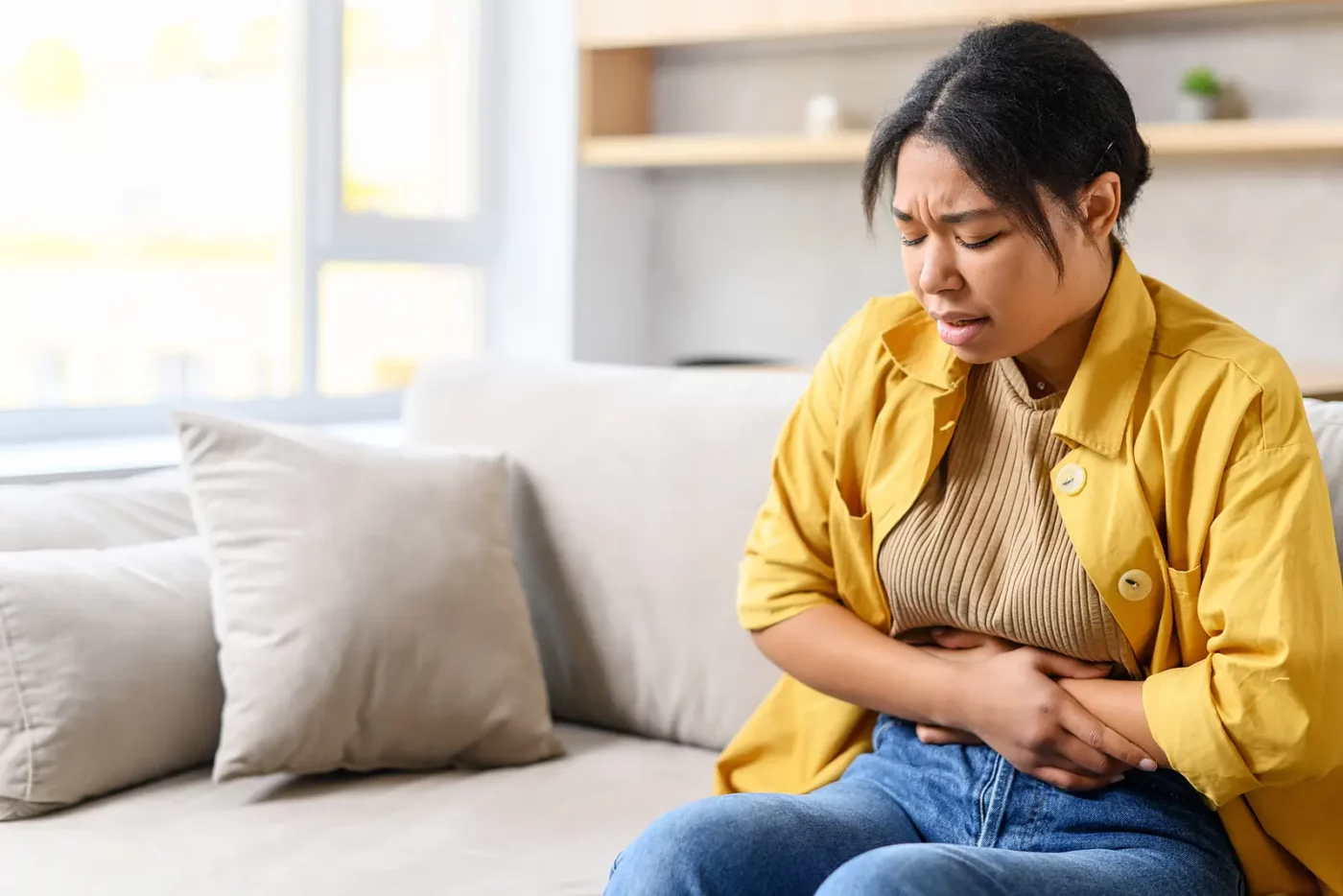
Symptoms of endometriosis can vary widely, making diagnosis difficult. Some experience debilitating pain, while others may have minimal symptoms. Signs to watch for include:
- Severe menstrual cramps (worse than typical period pain, often lasting through the month)
- Chronic pelvic pain (even outside of your period)
- Painful intercourse (dyspareunia)
- Painful bowel movements or urination, especially during menstruation
- Heavy, shortened, and/or irregular periods
- Infertility or difficulty conceiving
- Chronic fatigue
- Digestive issues (bloating, nausea, diarrhea, constipation)
Why is Endometriosis So Hard to Diagnose?
1. The average time to reach diagnosis is 7-10 years.
There is no single, easy test for endometriosis, and its symptoms often mimic other conditions such as IBS, pelvic inflammatory disease (PID), ovarian cysts, or even anxiety and stress disorders. For most uterine and pelvic issues, a non-invasive imaging test such as ultrasound, or even a CT may not help diagnose the issue.
2. Medical gaslighting is common.
Many assigned-female-at-birth (AFAB) individuals are told that their pain is “just part of being female,” leading to years of unnecessary suffering before they find a provider who actually takes them seriously.
3. Laparoscopic surgery is the only definitive diagnostic tool.
Unlike other conditions that can be easily diagnosed through bloodwork and/or imaging, endometriosis requires minimally invasive surgery to confirm – making diagnosis a lengthy process. If you suspect you have endometriosis, seeking a knowledgeable, compassionate provider who specializes in uterine health may be essential. You may have to really advocate for yourself with your primary care provider if you feel you are not being heard or seen with the extent of your symptoms.
Conventional Treatment Options
Conventional medicine focuses on symptom management rather than a cure. Some common options include:
- Hormonal Therapy: Birth control pills, progesterone-only treatments, or GnRH agonists to suppress estrogen and slow endometrial tissue growth.
- Pain Management: NSAIDs (ibuprofen, naproxen) to reduce inflammation and pain.
- Surgical Intervention: Laparoscopic excision surgery is the gold standard for removing endometrial tissue and adhesions. Hysterectomy is sometimes suggested in severe cases but does not always relieve symptoms.
- Fertility Treatments: Assisted reproductive technologies such as IVF may be recommended if conception has proven difficult.
While conventional treatments can help, many individuals seek additional support to address the root cause of inflammation and hormone imbalance.
Naturopathic Treatment Options
A naturopathic doctor’s approach focuses on supporting overall wellness, reducing inflammation, balancing hormones, and improving quality of life for the individual. Endometriosis is challenging to treat naturopathically, but decreasing inflammation and pain, and supporting the hormone systems can be quite helpful and effective. You are not a failure should surgery be your best option. Here’s how we do it:
1. Diet & Nutrition
What you eat plays a huge role in preventing and managing endometriosis symptoms. Some beneficial dietary strategies include:
- In general: Eat nutritious whole foods, and include foods known to reduce inflammation and provide plenty of fiber. Ginger, Turmeric, and Rosemary are a good addition to your cooking. Opt out of alcohol, processed foods and sugar, and excess caffeine.
- Omega-3 Fatty Acids: Found in flaxseeds, walnuts, and wild-caught fish to help reduce pain and inflammation.
- Foods that support your liver, which help process your hormone: Cruciferous vegetables (broccoli, cauliflower, kale), artichoke, burdock root, beets, lemon and dandelion root and greens
- Gluten-and-Dairy-Free Diets: Some individuals report improved symptoms when eliminating gluten and dairy, both of which can contribute to inflammation.
- High Fiber Diet: Diets high in fiber are associated with higher beneficial microorganisms in the gut that help break down estrogens and inflammation. Legumes, nuts and seeds, whole grains, fruits and veggies are at the top of the list.
- Magnesium*: Can help reduce menstrual cramping and muscle tension. 250-500mg per day in divided doses can be a typical dosage plan.
- DIM*: Diindolylmethane, DIM, is found in cruciferous vegetables. You can take this in supplement form to get therapeutic doses. Studies do indicate that DIM may help regulate estrogen levels by affecting its metabolism, inhibit endometrial cell growth, and alleviate the pain and bleeding. We use this in our practice often.
- NAC* : 600 mg three times a day has been shown to reduce endometrial cysts and reduce pain. It has antioxidant and anti-inflammatory actions.
*You can order the supplements mentioned directly from our dispensary using the code WHOLEHEALTH.
2. Lifestyle & Stress Management
Since stress can worsen inflammation and pain, mind-body support is essential!
- Yoga & Gentle Movement: Helps relieve pelvic tension and improve circulation.
- Prioritizing Sleep: Poor sleep can increase inflammation and pain perception.
- Breathwork & Meditation: Lowers cortisol levels, helping to manage stress-related flare-ups.
- Remove Use of Exogenous Estrogen: Exogenous estrogen includes estrogen found in products and the environment outside of the body – some common sources are commercial dairy and meat products, BPA in plastics, dryer sheets and fabric softeners, and some personal care products.
3. Herbal & Nutritional Support
Botanical medicine and targeted supplements can be helpful in managing the pain and irregularity of the menstrual cycles. This is not a complete list, and can be more complicated than following a list, as we often use a bi-phasic or tri-phasic combination of herbs. But, here are some herbs that have been helpful for some people manage their symptoms of endometriosis:
- Turmeric, Ginger & Rosemary: Natural anti-inflammatories that may help reduce pain. Turmeric has also been shown to reduce estradiol.
- Vitex (Chaste Tree Berry): Helps move from an estrogen heavy system, which stimulates the growth of endometrial tissue, to a more progestational one, often decreasing the PMS and heavy cycle like symptoms.
- Motherwort: Soothes cramps and pain, and can be a mild sedative, helping with symptom relief.
- Dandelion Root: Helps liver detoxification, aiding in estrogen metabolism.
4. Acupuncture & Pelvic Floor Therapy
Acupuncture helps regulate hormones and reduce inflammation, and pelvic floor therapy helps individuals with pelvic floor dysfunction (many individuals facing endometriosis also suffer with this condition) as well as relieve pain.
Remember, You Are Not Alone!
This complex condition requires a multi-faceted approach, and whether you choose conventional, naturopathic, or a combination of both treatments, the most important thing is to find what works best for you. It is key to have a healthcare team that truly listens and supports you.
If you suspect you are experiencing endometriosis, don’t be afraid to advocate for yourself, seek multiple opinions, and explore different treatment options. Your pain is real, and you deserve answers. Reach out if you’d like some further assistance with treatment for endometriosis in Olympia, Washington! Give us a call at 360-943-9519.