When it comes to your health, there’s often more to the story than a single symptom or diagnosis. Your lifestyle, environment, nutrition, emotional well-being, and medical history can all play important roles in how you feel. But how do these pieces fit together, and what does that mean for your healthcare?
That’s where naturopathic medicine comes in!
Naturopathic medicine takes a whole-person approach to healthcare, combining modern medical knowledge with traditional healing philosophies and an emphasis on prevention, patient education, and individualized care.
But what exactly does a naturopathic doctor do, and how is naturopathic medicine different from conventional healthcare? Let’s explore the philosophy, principles, and practical applications of naturopathic medicine – and what you can expect when working with a naturopathic physician.
What Is Naturopathic Medicine?
Naturopathic medicine is a distinct approach to healthcare that emphasizes disease prevention, individualized treatment, and supporting the body’s natural healing processes.
Defined by the Association of Accredited Naturopathic Medical Colleges (AANMC), naturopathic medicine combines traditional approaches to healing with modern scientific knowledge.
Rather than focusing exclusively on a particular symptom or condition, naturopathic doctors consider the many factors that may be contributing to a patient’s health concerns. This includes physical health, nutrition, sleep, stress, environmental influences, family history, and more. We are happy to see that these pillars of health are becoming much more popular in medical care now as more MDs are choosing to train in integrative medicine. These principles have always been part of the naturopathic education and practice of medicine… you could call us the “OG”!
The goal is to better understand each patient’s unique health circumstances and develop a personalized approach to supporting their well-being.
At Whole Health Naturopathy, this philosophy is central to how we approach patient care. We believe healthcare should recognize the connections between different aspects of your health while empowering you to take an active role in your wellness journey.
What Does a Naturopathic Doctor Do?
A naturopathic doctor (ND), also called a naturopathic physician, is a healthcare professional trained to assess, diagnose, prevent, and treat a variety of acute and chronic health concerns.
Licensed naturopathic physicians combine conventional diagnostic approaches with naturopathic treatment methods, focusing on understanding the whole person rather than viewing symptoms in isolation.
Depending on their training, individual practice, and state licensing regulations, naturopathic doctors may:
- Perform physical examinations and review medical histories.
- Order and interpret appropriate laboratory tests and diagnostic studies (x-rays, MRIs Dexa scans, mammograms, etc.)
- Diagnose and manage a variety of health conditions.
- Provide preventive healthcare and wellness guidance.
- Offer individualized nutrition and lifestyle counseling.
- Recommend appropriate nutritional supplements or botanical medicines.
- Prescribe most medications when practicing in a licensed state, as in Washington State.
- Coordinate care (send referrals) with other healthcare professionals and specialists.
An important part of naturopathic care is the relationship between the physician and patient. Naturopathic doctors emphasize education, communication, and shared decision-making, helping patients better understand their health and the options available to them.
Learn more in the American Association of Naturopathic Physicians’ article “What is a Naturopathic Doctor?”.
Can a Naturopathic Doctor Be Your Primary Care Provider?
Yes, absolutely! In states where naturopathic physicians are appropriately licensed, including Washington, they may provide primary care services within their legally defined scope of practice.
Naturopathic primary care can include preventive visits, health screenings, evaluation of new symptoms, management of ongoing health concerns, and coordination with specialists when additional care is needed.
Like other healthcare professionals, naturopathic physicians also recognize when a patient requires services beyond their scope of practice and can recommend appropriate referrals.
For patients interested in an approach that emphasizes both conventional medical assessment and whole-person wellness, naturopathic primary care may be an option worth exploring.
What Makes Naturopathic Medicine Different?
One of the defining characteristics of naturopathic medicine is its emphasis on identifying the underlying factors that contribute to health and illness.
For example, when a patient experiences persistent fatigue, a naturopathic physician may consider several possible influences, including sleep habits, nutrition, stress, medications, medical history, and potential underlying health conditions.
This doesn’t mean that every symptom has a simple lifestyle-related explanation. Appropriate medical evaluation, diagnostic testing, and treatment remain important parts of responsible healthcare.
Instead, naturopathic medicine encourages a broader perspective: understanding how different aspects of a person’s health may interact and using that information to develop an individualized care plan. If we cannot find answers from standard assessments, we will keep digging until we help you find answers. Sometimes this is in the form of more extensive lab testing. We will never say: “This is all in your head.”
Naturopathic medicine also places particular emphasis on prevention and patient education. Rather than waiting until health concerns become more significant, naturopathic physicians encourage patients to develop sustainable habits and participate actively in decisions about their care. This is done with your doctor as a teacher and partner in your health journey.
You can dive in deeper by checking out the American Association of Naturopathic Physicians’ “Naturopathic Physicians as Whole Health Specialists: The Future is Whole Person Healthcare” Whitepaper.
The Six Principles of Naturopathic Medicine
At the foundation of naturopathic medicine are six guiding principles that influence how naturopathic physicians approach patient care.
These principles work together to create a philosophy centered on individualized treatment, prevention, education, and whole-person wellness.
1. First, Do No Harm
Naturopathic physicians strive to select treatments that minimize unnecessary risks and potential side effects while appropriately addressing a patient’s medical needs.
Whenever safe and clinically appropriate, this may mean beginning with less invasive interventions. However, it also means recognizing when medications, specialized treatments, or more intensive medical care are necessary.
2. The Healing Power of Nature
Naturopathic medicine recognizes the body’s inherent ability to maintain balance, respond to injury, and participate in healing.
Naturopathic physicians aim to support these natural processes by identifying factors that may interfere with health and recommending appropriate interventions.
This principle does not mean that the body can overcome every illness without medical treatment. Instead, it reflects the importance of creating conditions that support health and recovery alongside necessary medical care.
3. Identify and Treat the Causes
Rather than focusing solely on symptom relief, naturopathic physicians seek to understand the underlying factors contributing to a patient’s health concerns.
This may involve reviewing medical history, evaluating lifestyle influences, performing diagnostic testing, and exploring how different body systems interact.
Identifying contributing factors can help guide treatment decisions and support longer-term health.
4. Doctor as Teacher
Patient education is a central part of naturopathic medicine.
Naturopathic physicians strive to help patients understand their health, recognize relevant risk factors, and feel confident participating in decisions about their care.
Through open communication and a collaborative relationship, patients can become more informed and engaged in their personal healthcare journey.
5. Treat the Whole Person
Our health is influenced by much more than individual organs or body systems.
Naturopathic physicians consider physical, mental, emotional, genetic, environmental, cultural, socioeconomic, and other factors that may affect well-being.
By understanding these connections, physicians can develop treatment plans that reflect each patient’s individual needs, circumstances, and goals.
6. Prevention
Preventive healthcare is one of the cornerstones of naturopathic medicine.
Through appropriate screenings, risk assessments, lifestyle counseling, and patient education, naturopathic physicians help patients identify opportunities to protect and support their long-term health.
Prevention also involves recognizing personal risk factors and making informed decisions that may reduce the likelihood of future health concerns.
Understanding the Therapeutic Order in Naturopathic Medicine
In addition to the Six Principles, naturopathic physicians use a framework known as the Therapeutic Order to guide their approach to patient care.
The Therapeutic Order is traditionally represented as a seven-step pyramid, beginning with foundational health considerations and progressing toward more intensive interventions when needed.
Rather than being a rigid treatment sequence, it serves as a guide for selecting appropriate therapies based on each patient’s health needs.
Step 1: Remove Obstacles to Health
The first step involves identifying factors that may be interfering with a patient’s well-being.
These can include inadequate sleep, poor nutrition, chronic stress, environmental exposures, limited physical activity, and other personal or social circumstances.
Addressing these factors can help establish a stronger foundation for health.
Step 2: Stimulate the Body’s Self-Healing Mechanisms
Naturopathic medicine emphasizes supporting the body’s natural processes through individualized care.
Depending on the patient’s needs, naturopathic physicians may consider nutrition, lifestyle changes, stress management, or other naturopathic therapies.
The effectiveness and safety of specific therapies vary, so recommendations should be evaluated based on available evidence and individual circumstances.
Step 3: Strengthen Weakened or Damaged Systems (Restore and Regenerate)
Sometimes particular body systems need additional support.
At this stage, naturopathic physicians may recommend more targeted interventions, such as individualized nutritional strategies, appropriate supplementation, or other therapies intended to address identified health concerns.
Step 4: Correct Structural Integrity
Physical health also involves the body’s muscles, joints, bones, and connective tissues.
When appropriate, naturopathic physicians may incorporate physical medicine, therapeutic exercises, or referrals to qualified professionals to address structural and movement-related concerns.
Step 5: Use Natural Therapies to Address Specific Conditions
When a health concern requires targeted treatment, naturopathic physicians may consider natural substances or other interventions within their scope of practice.
These recommendations should take into account the patient’s diagnosis, available clinical evidence, medication interactions, and potential risks.
Natural treatments are not automatically safer than conventional medications, making individualized evaluation especially important.
Step 6: Use Pharmaceutical Treatments When Necessary
Naturopathic medicine is not necessarily opposed to pharmaceutical treatment.
When medications are medically appropriate, licensed naturopathic physicians may prescribe them within their state’s authorized scope of practice or coordinate with another healthcare provider.
The goal is to ensure patients receive effective, appropriate care based on their individual circumstances.
Step 7: Use or Refer for More Intensive Medical Interventions
Some medical conditions require surgery, specialized procedures, or other intensive treatments.
In these situations, naturopathic physicians recognize the importance of timely referrals and collaboration with qualified medical specialists.
Naturopathic care may also play a supportive role alongside conventional treatment when appropriate and coordinated with the patient’s healthcare team.
Ultimately, the Therapeutic Order reflects a central philosophy of naturopathic medicine: consider the whole person, use treatments thoughtfully, and select the level of care appropriate for the patient’s needs.
What to Expect at Your First Naturopathic Appointment
If you’ve never visited a naturopathic doctor before, you may be wondering what an appointment actually looks like.
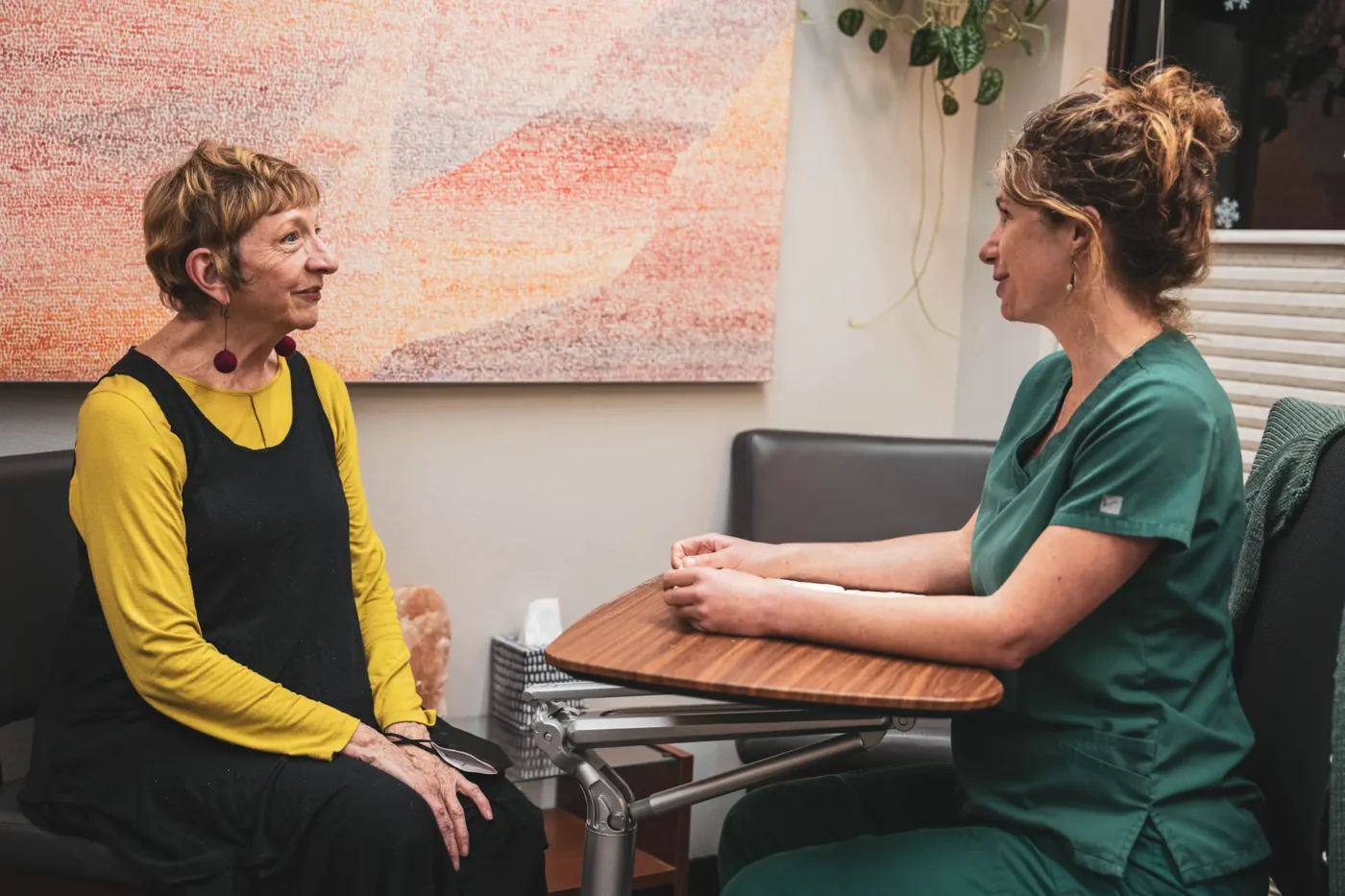
Although every practice and patient is different, an initial naturopathic visit often includes a comprehensive discussion about your health history, current concerns, and personal wellness goals.
Your naturopathic physician may ask about:
- Current symptoms and medical concerns.
- Personal and family medical history.
- Medications, vitamins, and supplements.
- Nutrition, physical activity, and sleep habits.
- Stress levels and emotional well-being.
- Environmental and occupational influences.
- Previous testing, diagnoses, or treatments.
- Your goals and priorities for your health.
Depending on your concerns, your physician may also perform a physical examination, review existing medical records, or recommend appropriate laboratory testing.
From there, you and your provider can discuss possible next steps and develop a treatment plan tailored to your needs.
One of the most important parts of this process is communication. Naturopathic care emphasizes helping patients understand their options and participate in decisions about their healthcare.
Frequently Asked Questions About Naturopathic Medicine
Are Naturopathic Doctors Real Doctors?
The direct answer is absolutely yes! Licensed naturopathic doctors graduate from accredited, doctoral-level naturopathic medical programs and must meet applicable licensing requirements. Their education includes biomedical sciences, clinical assessment, diagnosis, and naturopathic therapies.
Naturopathic doctors hold a different professional degree from medical doctors (MDs) and doctors of osteopathic medicine (DOs), and their training and legal scopes of practice are not identical.
Do Naturopathic Doctors Prescribe Medication?
Yes, licensed naturopathic physicians in Washington can prescribe most medications, except for more controlled substances (Schedule I and II medications). NDs are permitted to prescribe specific codeine and testosterone products contained within Schedules III, and all drugs scheduled IV, and V. Prescribing authority varies by state, and not every medication is available for naturopathic prescribing.
Is Naturopathic Medicine the Same as Holistic Medicine?
The terms are related, but they aren’t exactly interchangeable. Holistic healthcare broadly refers to considering the whole person, while naturopathic medicine is a distinct healthcare profession guided by specific principles, educational requirements, and clinical frameworks. They have been doing this work much longer and as a foundation to their medicine, as opposed to the newly “fashionable” (yet helpful) trend in medicine that is now gaining traction.
Is Naturopathic Medicine Evidence-Based?
Naturopathic physicians may use evidence-supported approaches such as nutrition counseling, preventive healthcare, and certain lifestyle interventions. However, the strength of scientific evidence varies significantly among naturopathic treatments, and some traditional modalities have not demonstrated effectiveness for specific medical conditions.
Patients should discuss the benefits, limitations, and risks of recommended treatments with their healthcare providers.
Can Naturopathic Medicine Work Alongside Conventional Healthcare?
Yes. Naturopathic physicians may collaborate with medical doctors, specialists, and other healthcare professionals to coordinate patient care.
This is particularly important when patients have complex medical needs, take prescription medications, or require specialized treatment.
Discover some common naturopathic myths explained in our blog post “Naturopathic Doctors, Explained: Busting Common Myths & Answering Your Top Questions”.
Discover Whole-Person Healthcare at Whole Health Naturopathy
At Whole Health Naturopathy, we believe your healthcare should be as individual as you are.
Our approach is rooted in the principles of naturopathic medicine, emphasizing patient education, prevention, and an understanding of the many factors that influence your health.
Whether you’re looking for preventive healthcare, support with an ongoing health concern, or a provider who takes a whole-person approach, we’re here to help you explore your options and make informed decisions about your well-being.
Interested in learning more about naturopathic medicine and how our providers can support your health?
Contact Whole Health Naturopathy in Olympia, Washington at 360-943-9519 to schedule an appointment and take the next step in your healthcare journey.